Heat is the local variable
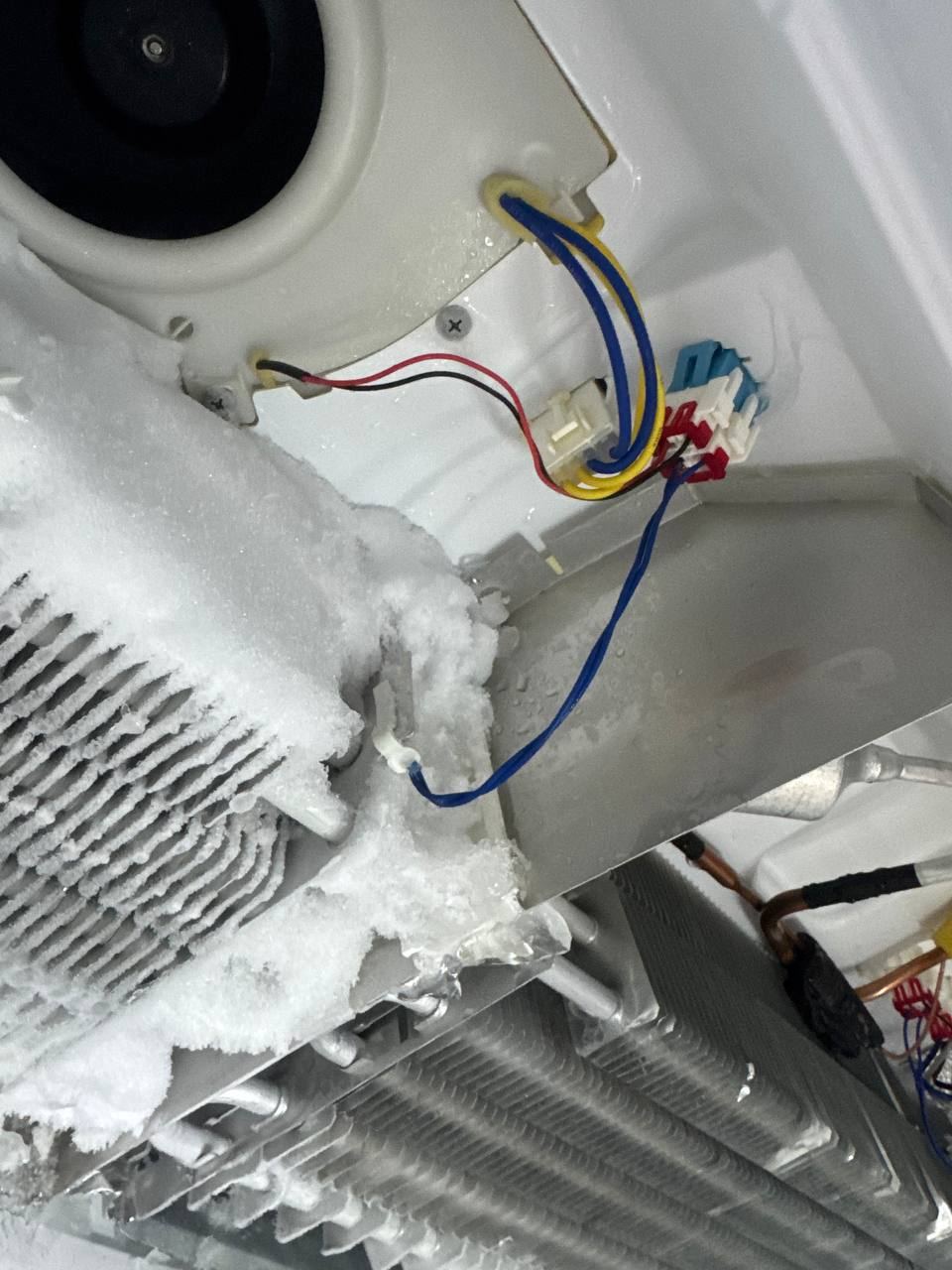
On September 6, 2020 the Woodland Hills station recorded an all-time high of 121 degrees, which the National Weather Service said was the hottest temperature recorded at an official weather station in Los Angeles County. It broke the old mark of 119 degrees set in July 2006. Those are the extremes. The ordinary summer here sits high enough to matter on its own: Woodland Hills routinely runs well into the nineties while the coast stays in the seventies, and in a bad week it clears 105.
Whirlpool states that a household refrigerator is intended for a location between 55 and 110 degrees Fahrenheit, and warns that operating outside that range may result in improper temperatures, temperature fluctuation, or the unit not running at peak performance. A shut-up kitchen at the end of a 105 degree afternoon, or an uninsulated laundry room off the garage, sits at the top of that band or past it, and the garage itself clears it outright. Condensers that would live happily in Santa Monica start struggling here, especially built-in units in a cabinet run with no clearance and five years of dust on the coils. Most of our July and August refrigerator calls in these two zip codes come down to heat load, a dirty condenser and a tired condenser fan. Often the room moved before anything else did.
Why the refrigerator runs constantly in August
Because a compressor has a limited cooling capacity, that capacity falls as the room heats up, and the room keeps putting heat back in.
In a 70 degree kitchen the compressor cycles off for long stretches. In a 95 degree kitchen it runs close to continuously to hold the same 37 degrees inside, and it does so with less capacity than it had in winter, because a hotter room forces the condenser to run at a higher pressure and temperature to shed the same heat, and a compressor working against higher head pressure moves less refrigerant per turn. Owners hear the change and read it as a failing compressor. Usually the compressor is doing exactly what it was built to do under a load it was not built for.
A heat problem tracks the day: worst in the late afternoon, better by morning. That is a clue and not a verdict, because a failing start relay, an overload that trips once the compartment is hot, or a condenser fan with a dry bearing will track the day in exactly the same way. What separates them is that a heat problem improves when you clear the condenser, open up the clearances and move the heat source, and a failing part does not.
If the fresh food compartment is drifting above 40 degrees while the freezer stays solid, heat and a leaking door gasket are still on the list, and so are an evaporator fan, a frost blocked coil and a stuck damper. Those are set out in the piece on a refrigerator not cooling while the freezer works.
Where the heat actually reaches the appliance
At the condenser, and Whirlpool names the placements that make it worse.
The same Whirlpool guidance says to keep a refrigerator away from heat sources that raise cabinet temperatures and increase run time, and to avoid installing it next to ovens, ranges, dishwashers that vent heat, or heating vents. It also gives the numbers: a quarter inch of space on each side and at the top for ventilation, and a minimum of two and a half inches of clearance next to a fixed wall so the door can swing.
In a 1960s Woodland Hills tract kitchen the refrigerator alcove was framed for a narrower, shallower box than what gets delivered today. The new unit goes in, the sides touch, the base grille ends up against the toe kick of an added cabinet, and the condenser fan recirculates its own hot air. That reads as a weak refrigerator in summer and behaves normally in winter, which is why it can go years before anyone calls.
Remodeled kitchens, premium appliances
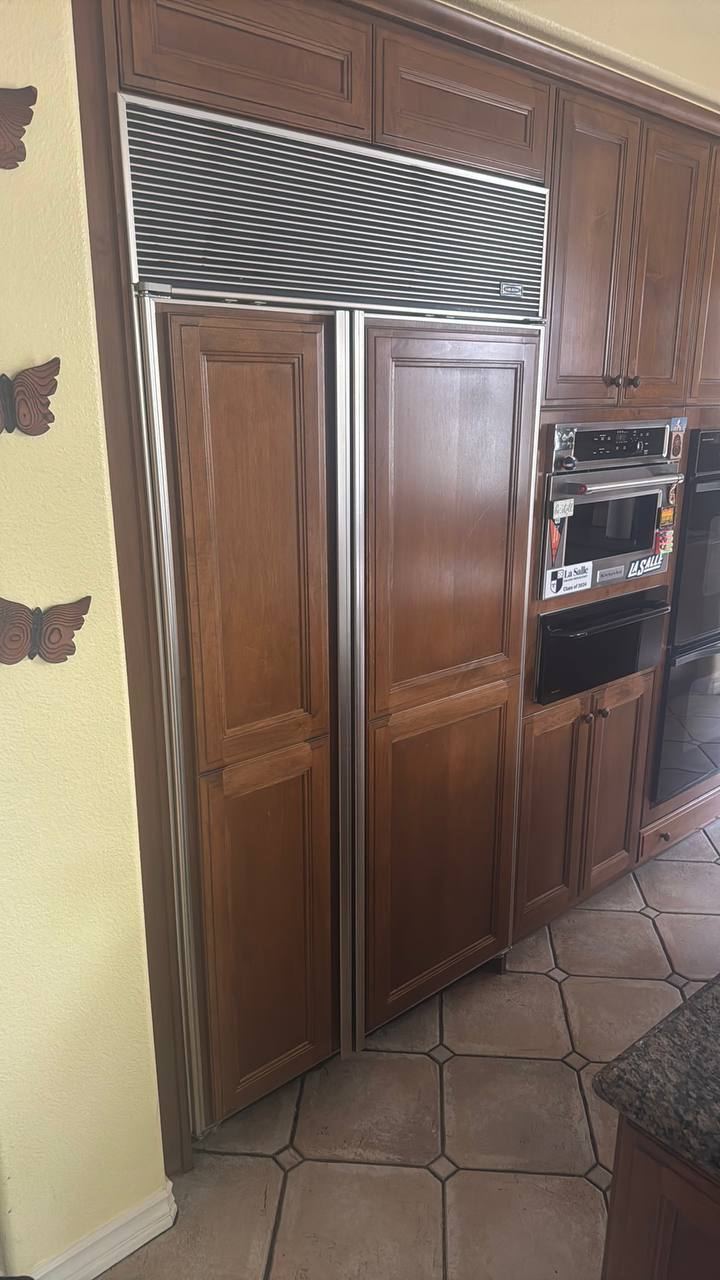
A lot of the homes south of Ventura have been through a full kitchen renovation, which means built-in refrigeration, integrated dishwashers and professional ranges. Thermador, Miele and Bosch show up constantly here. Those units are usually worth repairing rather than replacing, because the replacement has to fit the same cabinet opening and take the same panel. Where the parts are no longer made we say so before you have spent anything.
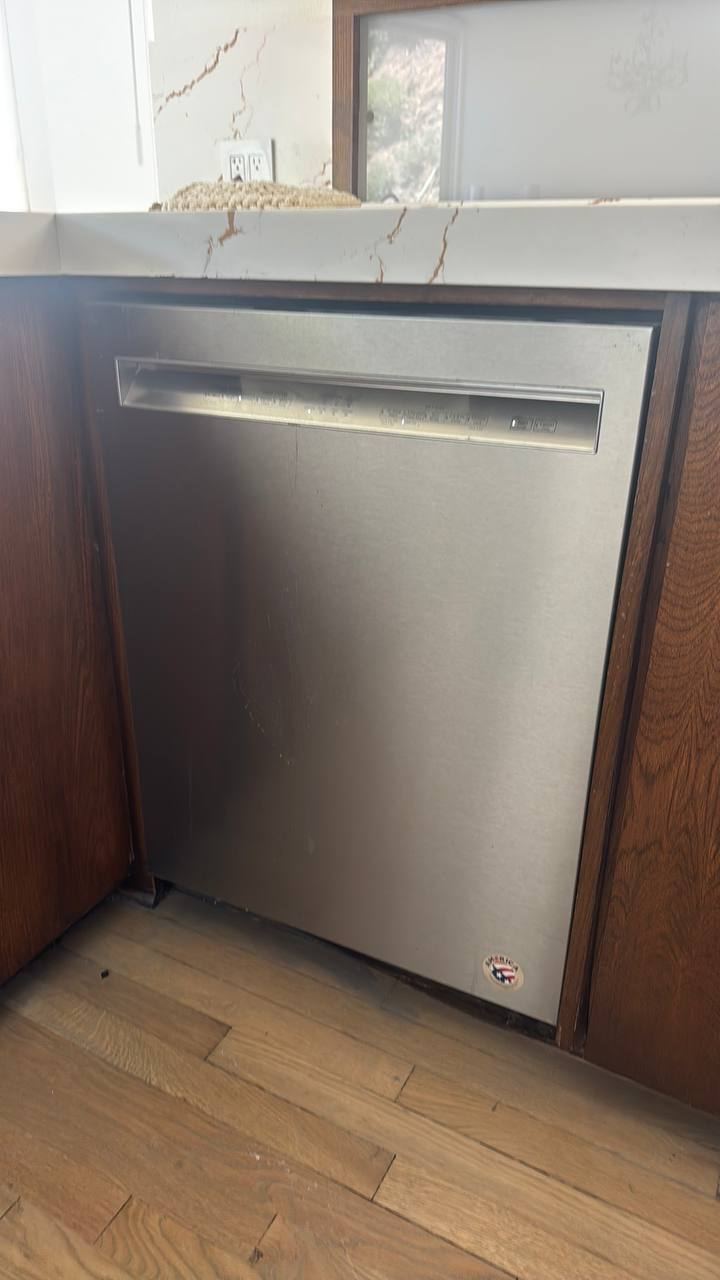
Most of these machines carry their controls on the top edge of the door, so the display disappears the moment the door is closed. Some project a countdown onto the floor, but on plenty of them there is no way to see where the cycle stands without opening it. When one stops drying, the rinse aid indicator is worth reading before anyone opens the machine up, and that order is explained in the piece on a dishwasher leaving dishes wet.
Why the ice maker falls behind here in summer
Because the harvest cycle is thermally triggered, and a hot kitchen slows every stage of it.
An automatic ice maker fills the mold, waits for the mold to reach its harvest temperature, then ejects and refills. When the cabinet is working harder to hold the freezer setpoint, the mold takes longer to get down to harvest temperature, and cube output per day drops without any part failing. Add a door that gets opened forty times on a hot afternoon and the gap widens.
The check is to count, not to guess. Empty the bin in the morning, run a normal day, and see what the bin holds by evening. Before blaming the room, check that the feeler arm is not resting up and the ice maker is not switched off, then look at the shape of the cubes you do get. Hollow or half cubes point at the water supply. Full cubes that simply stopped appearing point at the harvest side. Both are set out in the ice maker article.
The second refrigerator in the garage
Same physics, worse room.
Whirlpool is direct about it: basements and garages often fall outside ideal temperature ranges, and in hot weather garage heat can overwork the cooling system. GE Appliances names the same ceiling, stating that it does not recommend installing a refrigerator where the temperature will exceed 110 degrees, because there is a possibility that running it in extreme heat could cause the oil to overheat and break down, and damage the compressor or sealed system. Two manufacturers, the same number, and a named risk behind it.
A closed Woodland Hills garage on a 105 degree afternoon sits at or past that ceiling. If the garage unit is the one struggling while the kitchen unit holds fine, the room is the first suspect and the compressor is the last. Whirlpool's own conclusion is that unless the space is insulated and climate controlled these areas are not recommended for a standard refrigerator, and GE sells garage ready models rated from 38 degrees up to 110 for exactly this spot.
The older tracts
North of the boulevard, the 1950s and 1960s tracts still hold a lot of original wall ovens and cooktops. Those are often repairable long past the point people assume, and when they are not, we say so before you have spent anything on them. The same houses usually put the laundry in the garage or on a narrow service porch, where a front load washer sits hard against a wall and a slow door leak goes unnoticed for months. What causes a front load washer to leak at the door covers what to look at first.
What you can check before calling anyone
Four things, none of which cost anything.
Put a glass of water with a thermometer in it on the middle shelf, leave it a full day, and read it twice, once in the morning and once at the end of a hot afternoon. That gives you the actual food temperature instead of the display, and the gap between the two readings tells you how much of the problem is the room. Unplug the refrigerator, then pull it forward and look at the base grille and the back, and if there is dust felt on the condenser or a cabinet blocking the grille, clear it, plug the unit back in and give it two days before deciding anything. Close a dollar bill in the door and pull it out, and repeat that at four or five points around all four sides, because a gasket that seals at the hinge and fails at the handle corner will pass a single pull. And look at what stands next to the refrigerator, because an oven, a range or a heat vent within a few inches changes the load more than most owners expect.
Where to stop
At the sealed system, at any 240 volt connection, and at gas.
Reading a real temperature, clearing a grille and condenser with the unit unplugged, testing a gasket and looking at what stands next to the refrigerator are all owner work. Anything involving refrigerant, a compressor, a control board or a gas line is not. Woodland Hills is part of the City of Los Angeles, so permits go through LADBS rather than a separate city building department. If the fresh food compartment will not hold below 40 degrees, move the food out and stop troubleshooting.
What we fix in Woodland Hills
- Refrigerator repair in Woodland Hills
- Washer repair in Woodland Hills
- Dryer repair in Woodland Hills
- Dishwasher repair in Woodland Hills
- Oven and stove repair in Woodland Hills
- Microwave repair in Woodland Hills
- Garbage disposal repair in Woodland Hills
- Ice maker repair in Woodland Hills
Questions we get
Do you charge for the visit in Woodland Hills?
We tell you the cost of the visit when you call, before anyone comes out, and the price of the repair is agreed with you before any work starts. Nothing is decided after the fact.
Why does my refrigerator run constantly in August but not in January?
Because a compressor has a limited cooling capacity and that capacity falls as the room gets hotter, while the room keeps pushing heat back in. A unit that cycles off half the time in winter can run close to continuously in a hot Valley kitchen. Before assuming a sealed system fault, check that the base grille is not blocked, that there is a quarter inch of space at the sides and top, and that the refrigerator is not standing next to an oven, a range or a heat vent.
Are you open on the weekend?
We are open Sunday from 7:00 to 19:00 and closed Saturday. Sunday is the day most competitors are shut, and it is one of our busiest.
Can you come out the same day?
Usually yes in Woodland Hills. Call early in the day and the odds are much better.